Email: isscocrew@gmail.com
ISSCO Logo
MARITIME WORKFORCE DEVELOPMENT

MARITIME TRAINING

Building Competence – Strengthening Expertise – Prioritizing Safety

ISSCO is committed to developing maritime training and professional development initiatives that enhance seafarers' knowledge, practical skills, and safety awareness.

TRAINING OVERVIEW

Developing Maritime Workforce Competencies

In the maritime industry, professional knowledge, practical skills, and safety awareness are essential to seafarers' ability to perform their duties on board.

Training and professional development help maritime personnel update their knowledge, strengthen their skills, and progressively meet the demands of working in the shipping industry.

ISSCO aims to align workforce development with the maritime industry's practical needs, emphasizing professional competence, responsibility, and the application of knowledge in the workplace.

100% Practice-Oriented Approach
STCW Standards Compliance
24/7 Ongoing Development Support
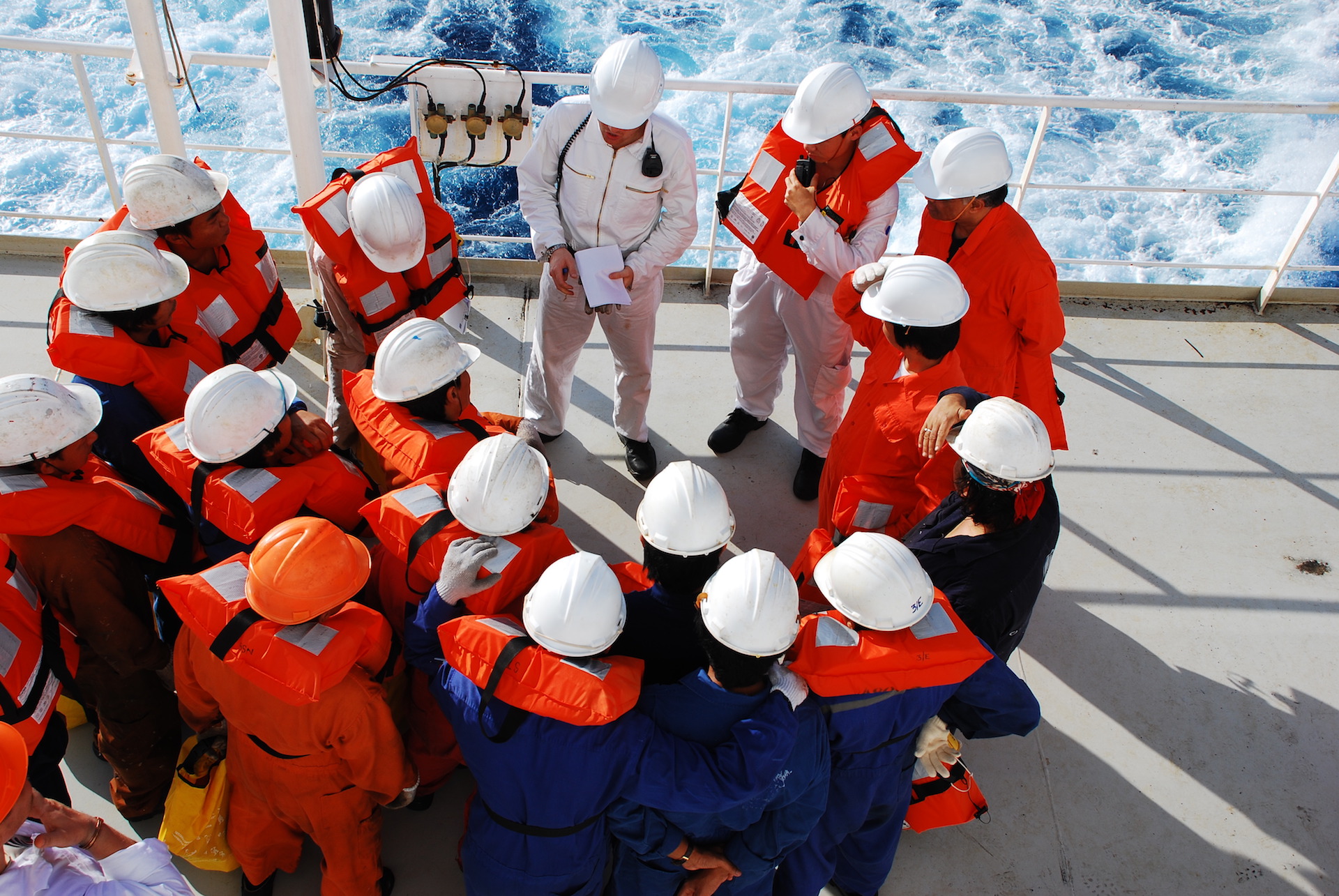
Sĩ quan hàng hải hướng dẫn thuyền viên thực hành kiến thức chuyên môn trên buồng lái
CORE PRIORITIES

KNOWLEDGE – SKILLS – SAFETY

These three core values help seafarers perform their duties confidently and safely throughout international voyages.

TRAINING AREAS

Maritime Training and Professional Development Areas

The following training areas may be considered based on the competency development needs of seafarers and maritime companies.

01 // MARITIME SAFETY

MARITIME SAFETY

Strengthen safety knowledge and awareness in the shipboard working environment.

Sample Topics:

  • Shipboard Safety Awareness
  • Emergency Response
  • Emergency Response
02 // DECK OPERATIONS

Deck Operations

Enhance professional knowledge and practical skills for personnel serving in the deck department.

Sample Topics:

  • Deck Operations and Procedures
  • Navigational Watchkeeping Procedures
  • Mooring and Cargo Operations Coordination
03 // ENGINE DEPARTMENT

MARINE ENGINEERING OPERATIONS

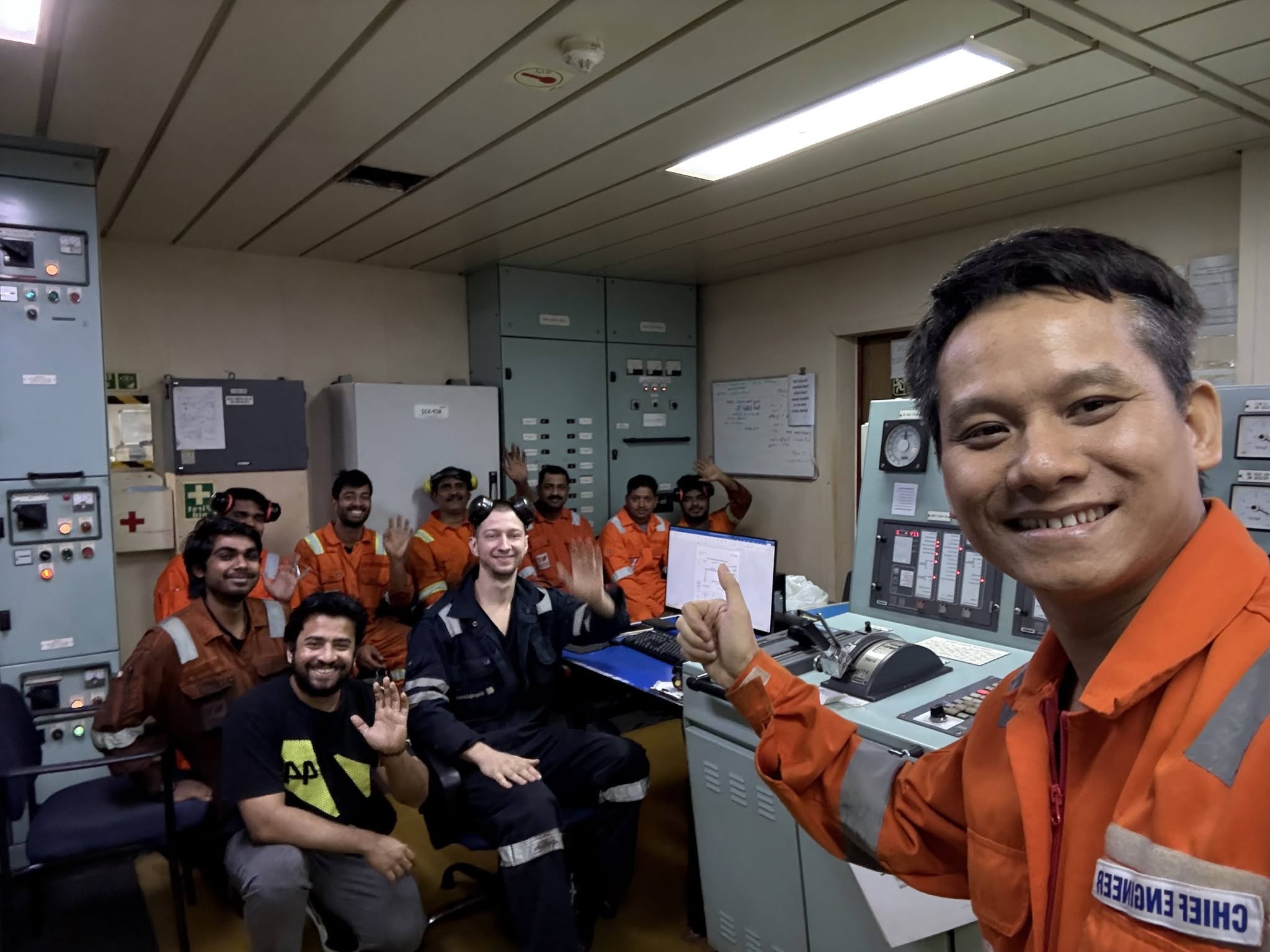
Strengthen knowledge of marine propulsion systems and technical requirements for engine-room operations.

Sample Topics:

  • Main and Auxiliary Machinery Systems
  • Monitoring Engine-Room Operating Parameters
  • Machinery Maintenance and Engine-Room Safety
04 // MARITIME ENGLISH

MARITIME ENGLISH

Develop practical English communication skills for maritime operations, including the use of IMO Standard Marine Communication Phrases (SMCP).

Sample Topics:

  • Watchkeeping and Maneuvering Communications
  • International Maritime Technical Terminology
  • Incident Reporting and Port Authority Communications
05 // LEADERSHIP & CRM

TEAMWORK & LEADERSHIP

Develop communication, teamwork, and work coordination skills in a multicultural maritime environment.

Sample Topics:

  • Bridge Resource Management (BRM)
  • Multicultural Communication on Board
  • Workplace Conflict Resolution and Coordination
06 // CAREER PATHWAYS

PROFESSIONAL COMPETENCY DEVELOPMENT

Support professional competency development and preparation for suitable maritime career positions.

Sample Topics:

  • Competency-Based Assessment
  • Interview Preparation for International Shipowners
  • Career Progression to Management-Level Officer Positions

Specific training content and delivery methods will be discussed based on each partner's needs and the practical scope of implementation.

Nhóm thuyền viên mặc đồ bảo hộ phối hợp công việc làm dây trên boong tàu biển
PROFESSIONAL PRACTICAL TRAINING ENVIRONMENT

Help seafarers build professional confidence and prepare to handle complex situations during ocean-going voyages.

FOR SEAFARERS

Supporting Your Maritime Career Development

Professional development involves not only technical knowledge but also communication skills, teamwork, and a strong sense of responsibility in the shipboard working environment.

1

STRENGTHEN TECHNICAL KNOWLEDGE

Review and update knowledge relevant to shipboard duties and assigned ranks.

2

DEVELOP PRACTICAL SKILLS

Focus on applying knowledge to real-world situations and operating modern shipboard equipment.

3

ENHANCE SAFETY AWARENESS

Strengthen risk prevention awareness and adherence to applicable international occupational safety procedures.

4

DEVELOP COMMUNICATION SKILLS

Emphasize professional communication, teamwork, and specialized maritime English.

FOR MARITIME COMPANIES

Crew Competency Development Solutions

Shipowners and crew management companies may have different requirements for technical knowledge, safety, and professional competency. Training initiatives should be tailored to the needs and characteristics of each personnel group.

ISSCO works with partners to develop training curricula tailored to vessel types, including bulk carriers, container ships, oil and chemical tankers, and specialized vessels.

PHASE 01

IDENTIFY TRAINING NEEDS

Discuss crew ranks, job responsibilities, trading areas, and core competencies that need to be strengthened.

PHASE 02

DEVELOP RELEVANT TRAINING CONTENT

Identify training topics aligned with the company's operational needs and the shipowner's safety and competency matrix requirements.

PHASE 03

COORDINATE ASSESSMENT & FEEDBACK

Emphasize recording assessment results, reporting progress, and gathering feedback to support continuous improvement in fleet operations.

TRAINING METHODOLOGY

Combining Knowledge with Practical Application

Maritime training should focus on translating knowledge into the ability to perform duties effectively and safely.

01

FUNDAMENTAL KNOWLEDGE

Reinforce fundamental principles, regulations, and technical knowledge relevant to international maritime standards.

Core Theory
02

REAL-WORLD SCENARIOS

Use simulated workplace scenarios to encourage discussion, improve situational response, and apply professional knowledge.

Case Studies
03

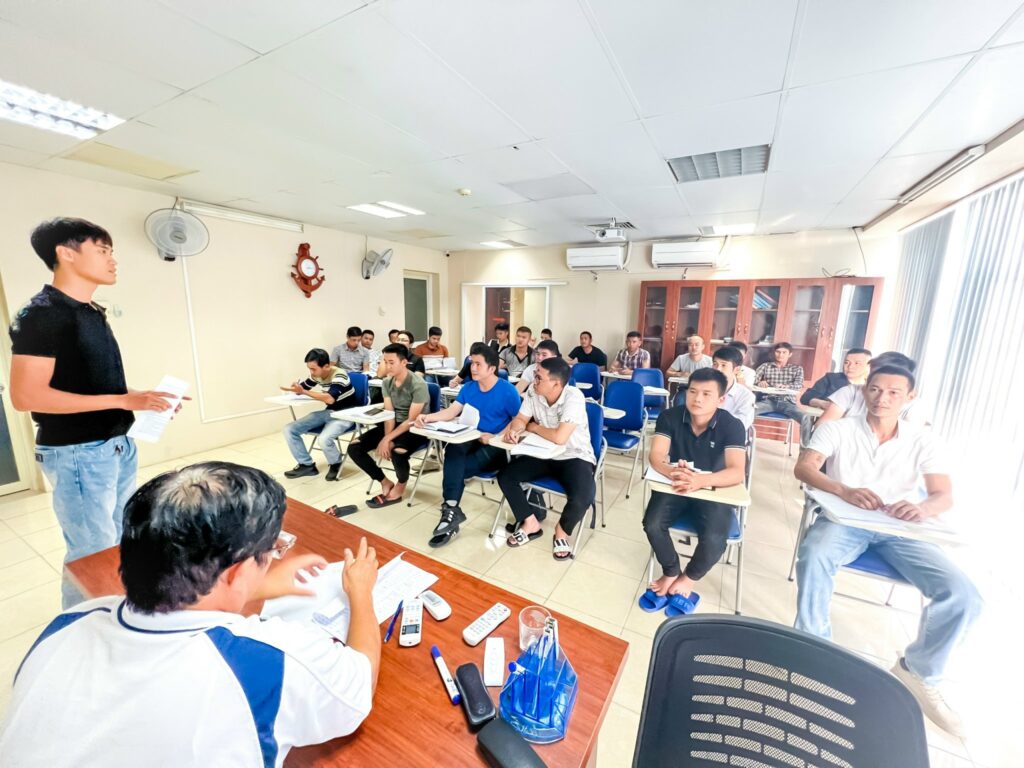
PRACTICAL TRAINING & SIMULATION

Consider practical or simulator-based training where suitable facilities, equipment, and training programs are available.

Mô phỏng thực hành
04

ASSESSMENT & FEEDBACK

Focus on measuring learning progress and collecting quantitative feedback to improve training effectiveness.

Quantitative Assessment
STCW CONVENTION & 2010 MANILA AMENDMENTS
COMPETENCY & STANDARDS

Training Aligned with Maritime Professional Requirements

Seafarer competency development should take into account rank-specific responsibilities, working conditions, and applicable international regulations.

PROFESSIONAL COMPETENCY

Knowledge and skills appropriate to deck, engine, and other shipboard positions, aligned with relevant competency frameworks.

SAFETY AWARENESS

Awareness of occupational safety, maritime risk prevention, marine environmental protection, and a just safety culture.

TEAMWORK & COORDINATION

Communication using IMO SMCP, accurate execution of instructions, and effective coordination among crew members.

International STCW Standards IMO SOLAS Safety Framework Maritime Labour Convention, 2006 (MLC, 2006)
CONSULTATION PROCESS

From Training Needs to Tailored Solutions

Training needs may vary according to job roles, development objectives, and the practical circumstances of individual learners or companies.

01

RECEIVE TRAINING INQUIRY

Discuss target participants, training objectives, group size, and areas of professional interest.

Initial Step
02

ASSESS REQUIREMENTS

Review participants' existing knowledge, job requirements, and skills gaps.

Detailed Analysis
03

RECOMMEND A TRAINING PLAN

Discuss training content, schedules, delivery methods, and implementation arrangements with cost efficiency in mind.

Develop a Roadmap
04

COORDINATE IMPLEMENTATION

Agree on the training plan and coordinate delivery within the confirmed scope.

Training Delivery
05

ASSESSMENT & FEEDBACK

Record training outcomes and feedback to support continuous workforce development.

Measure Effectiveness
OUR GUIDING VALUES

Developing People for the Future of Maritime

ISSCO emphasizes the connection between companies' practical requirements, seafarers' professional competencies, and sustainable maritime workforce development.

MARITIME-FOCUSED

Align training content with the demanding nature of work in international shipping.

PRACTICAL APPLICATION

Emphasize the direct application of knowledge and practical skills to shipboard operations.

SAFETY FIRST

Regard maritime safety awareness and professional responsibility as guiding principles in every activity.

LONG-TERM DEVELOPMENT

Encourage lifelong learning, professional growth, and continuous career progression.

FREQUENTLY ASKED QUESTIONS

Maritime Training – Frequently Asked Questions

Learn more about training focus areas, participation requirements, and arrangements for coordinating professional development programs with ISSCO.

Technical Specialists & Instructors

Professionally trained, with years of practical experience aboard international vessels.

What Maritime Training Areas Does ISSCO Offer?

ISSCO's proposed training areas are guided by seafarer competency development needs and may include maritime safety, deck operations, marine engineering, maritime English, and other professional skills. Specific training programs will be confirmed and discussed directly based on the requirements of each course.

Can Companies Request Customized Training Programs?

Yes. Business partners and shipowners may provide details about their personnel groups, vessel types, and competencies that need improvement. Both parties can then discuss the appropriate training scope, duration, and delivery arrangements.

Does ISSCO Issue STCW Certificates?

The delivery of officially recognized STCW training and the issuance of STCW certificates are subject to applicable legal requirements and must be carried out by authorized maritime training institutions. Please contact ISSCO directly to confirm which training programs and certificates may be available through ISSCO or its training partners.

What Training Delivery Methods Are Available?

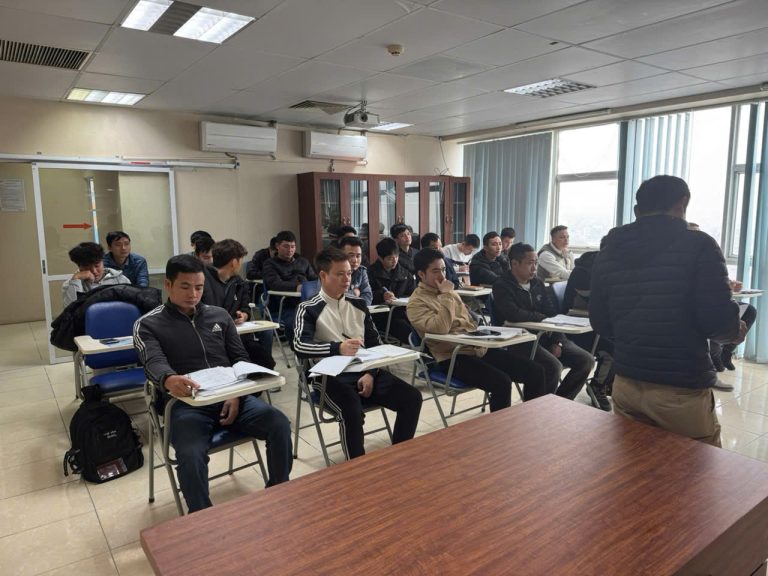
Training delivery methods, including classroom-based training, onboard training, specialized simulator training, and blended learning, will be determined according to each program's content and the practical scheduling requirements of seafarers.

How Can I Request Training Consultation from ISSCO?

Individual learners and company representatives can submit their information through the inquiry form at the bottom of this page or contact ISSCO's training department directly at issco@issco.vn for further guidance.

TRAINING CONSULTATION

Looking for Maritime Competency Development Solutions?

Share your training requirements with ISSCO so we can discuss suitable training content and delivery methods for you or your team.

  • Consultation inquiries answered within 24 business hours.
  • Guidance on training content aligned with international shipowners' assessment requirements.
  • Strict Confidentiality of Personal and Business Information.

REQUEST TRAINING CONSULTATION

Complete the form below, and an ISSCO representative will contact you as soon as possible.